Danyaya Air Virtual Aviation Experience
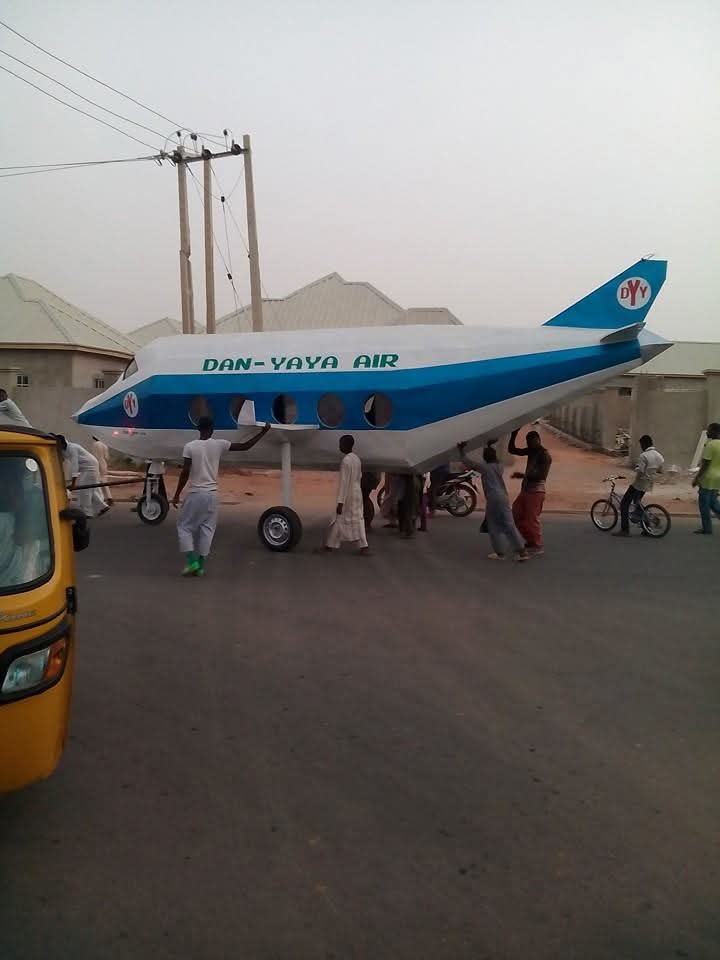
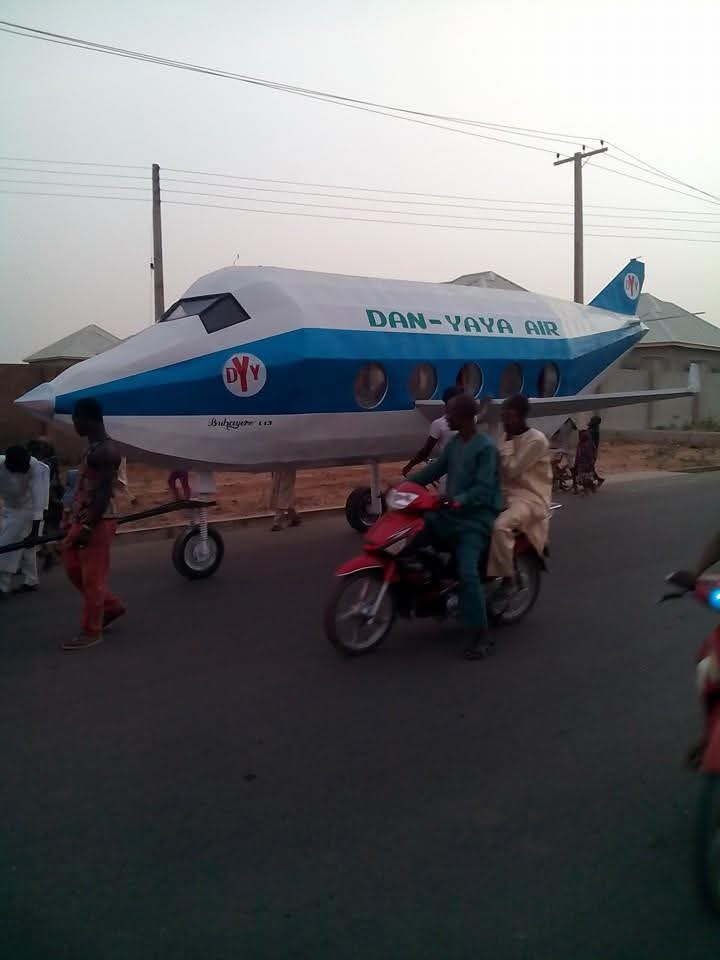
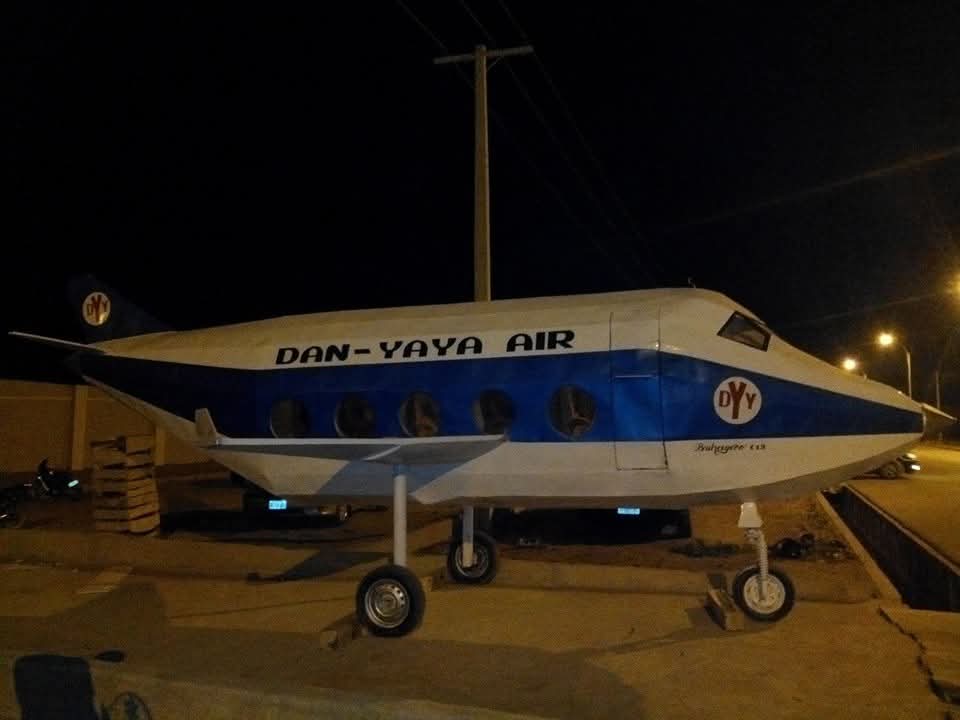
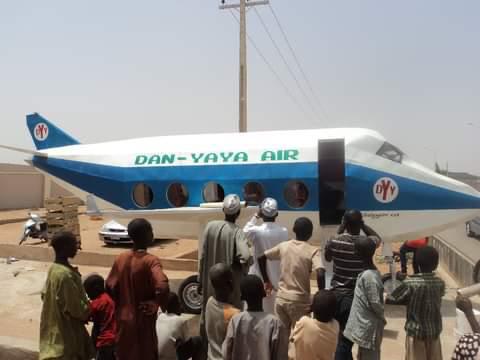
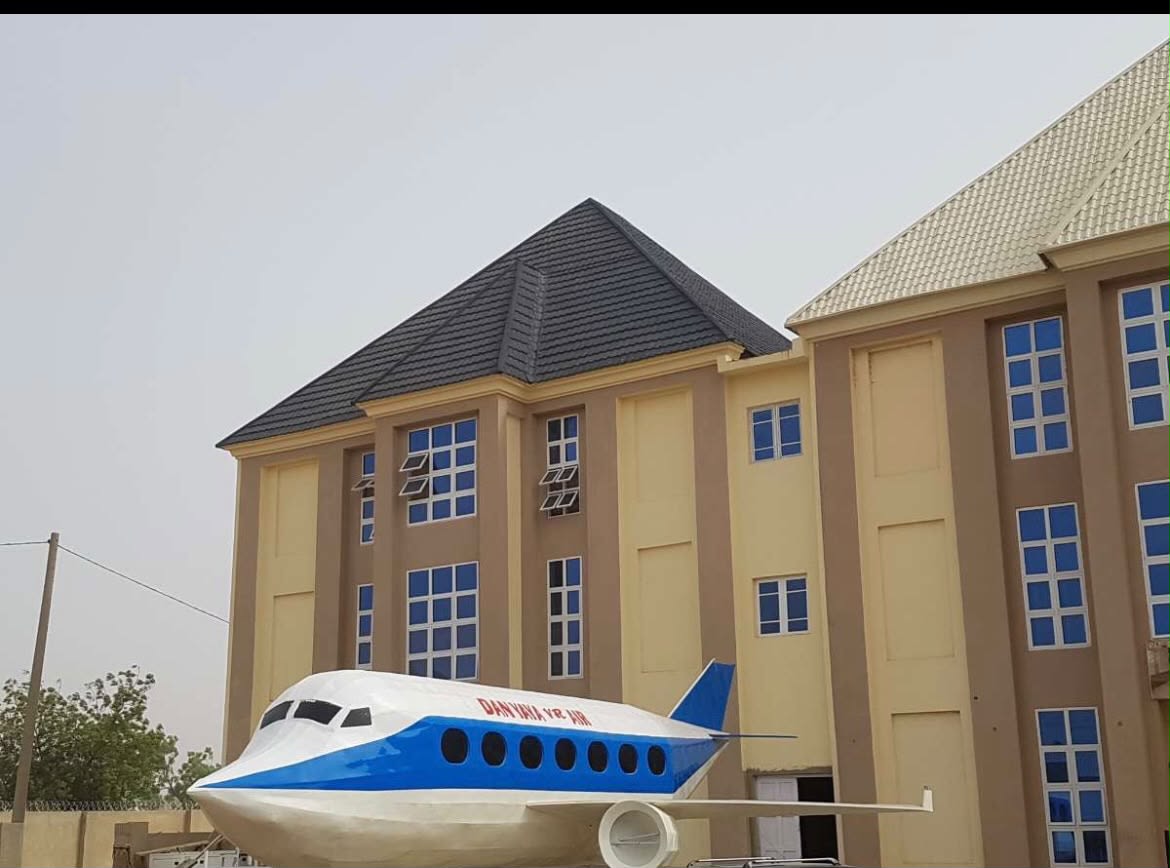
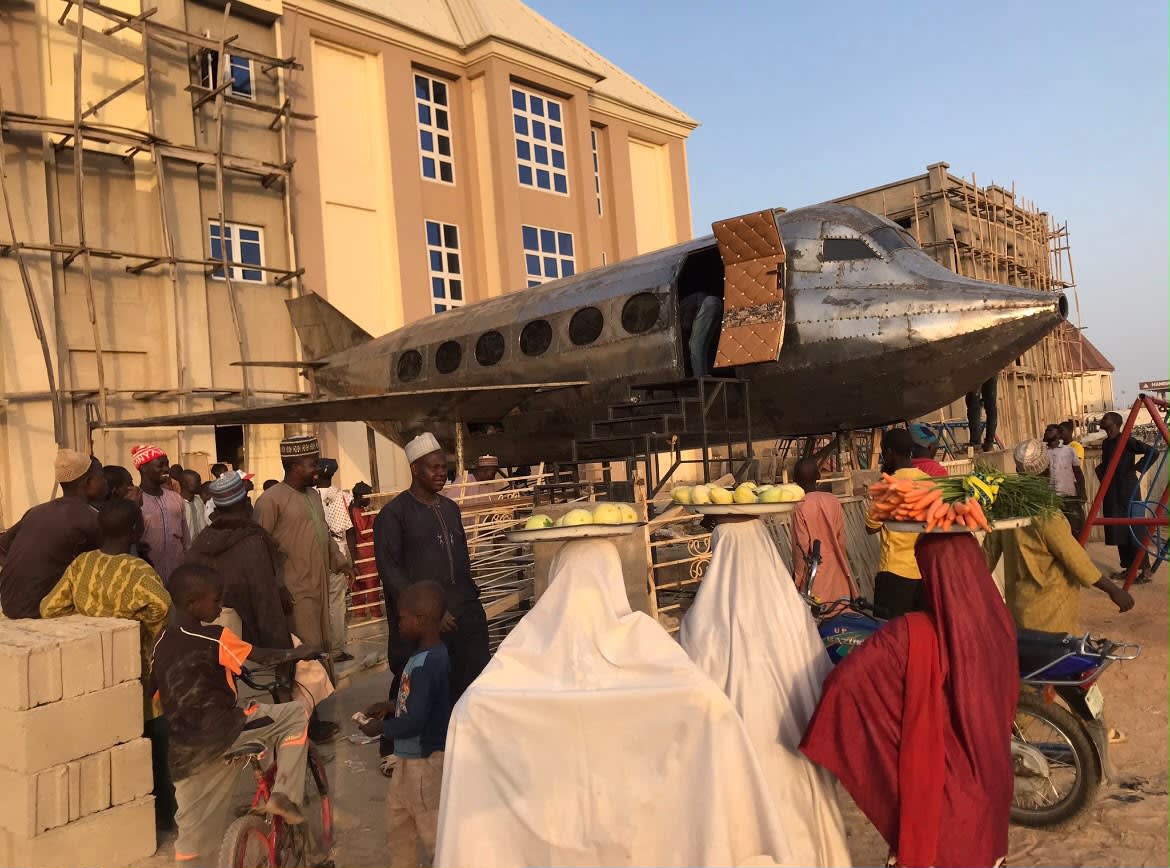
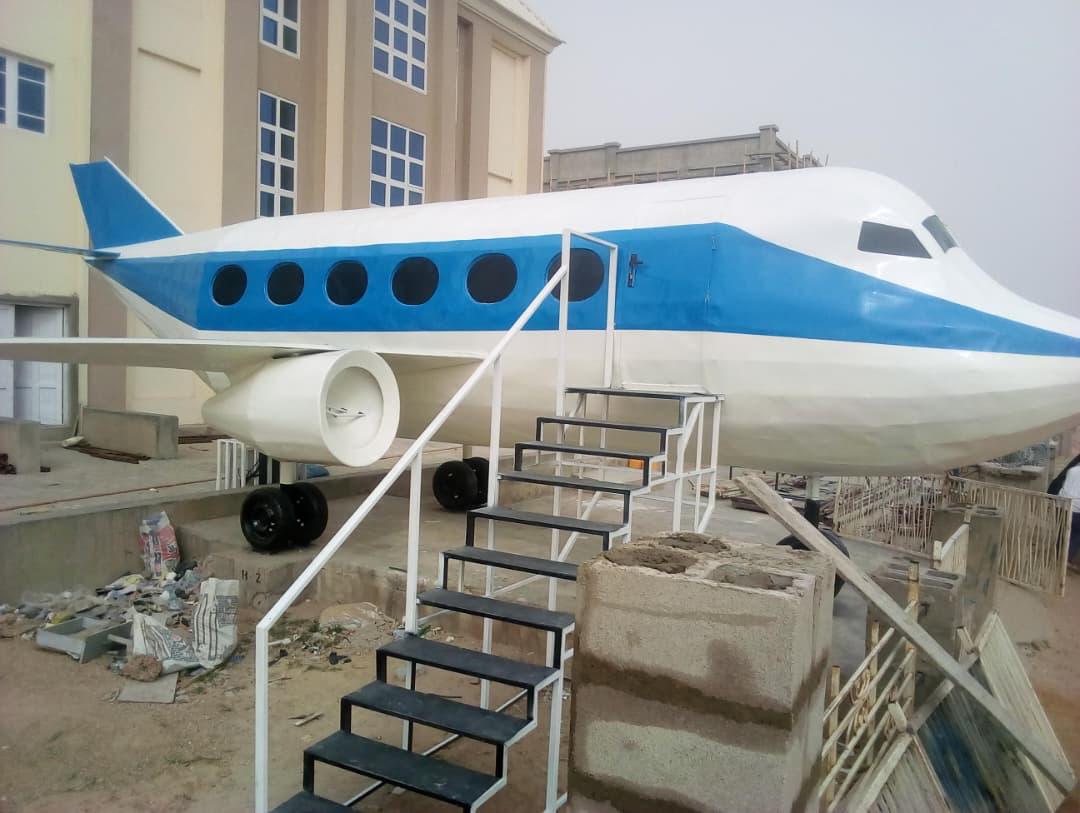
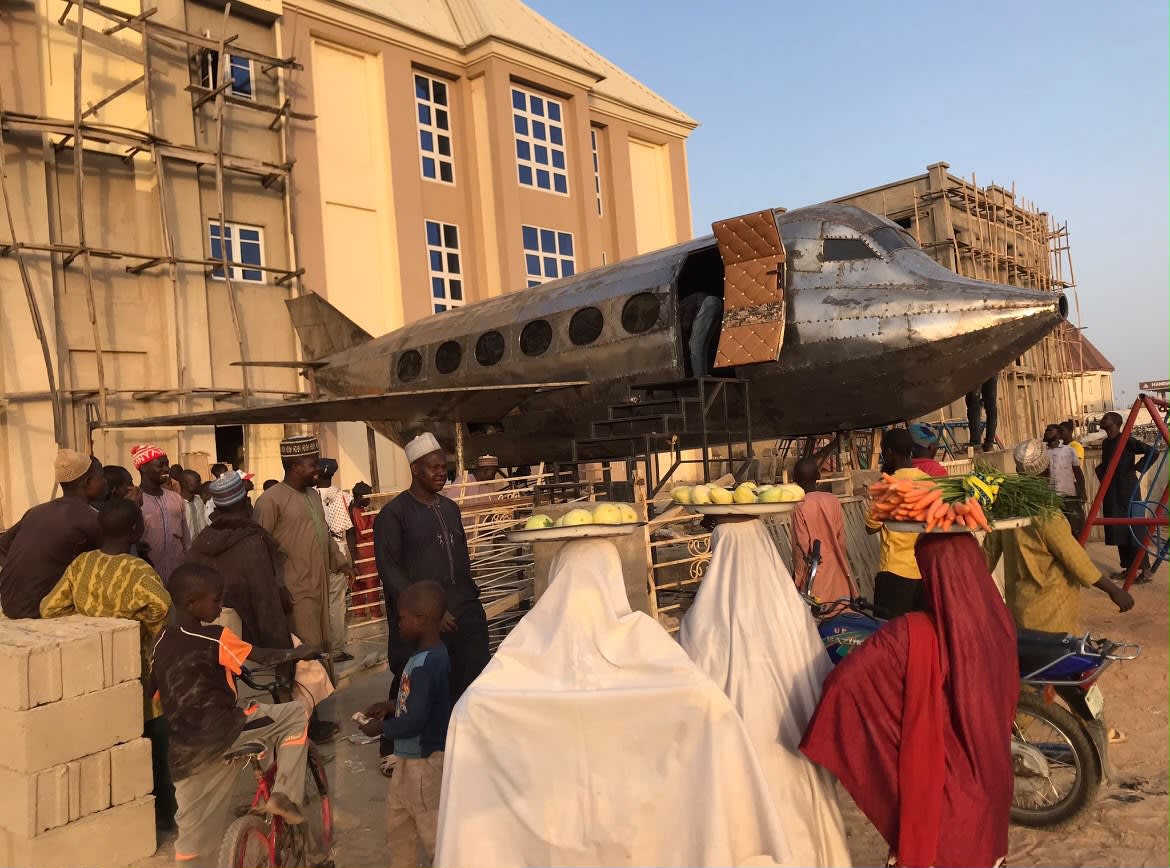
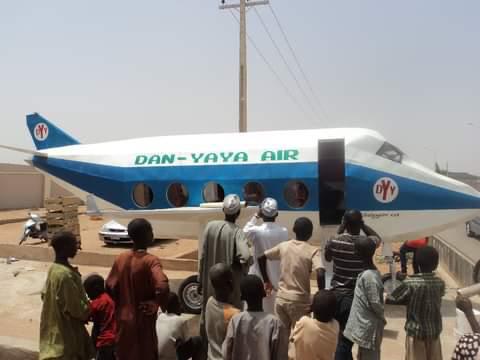
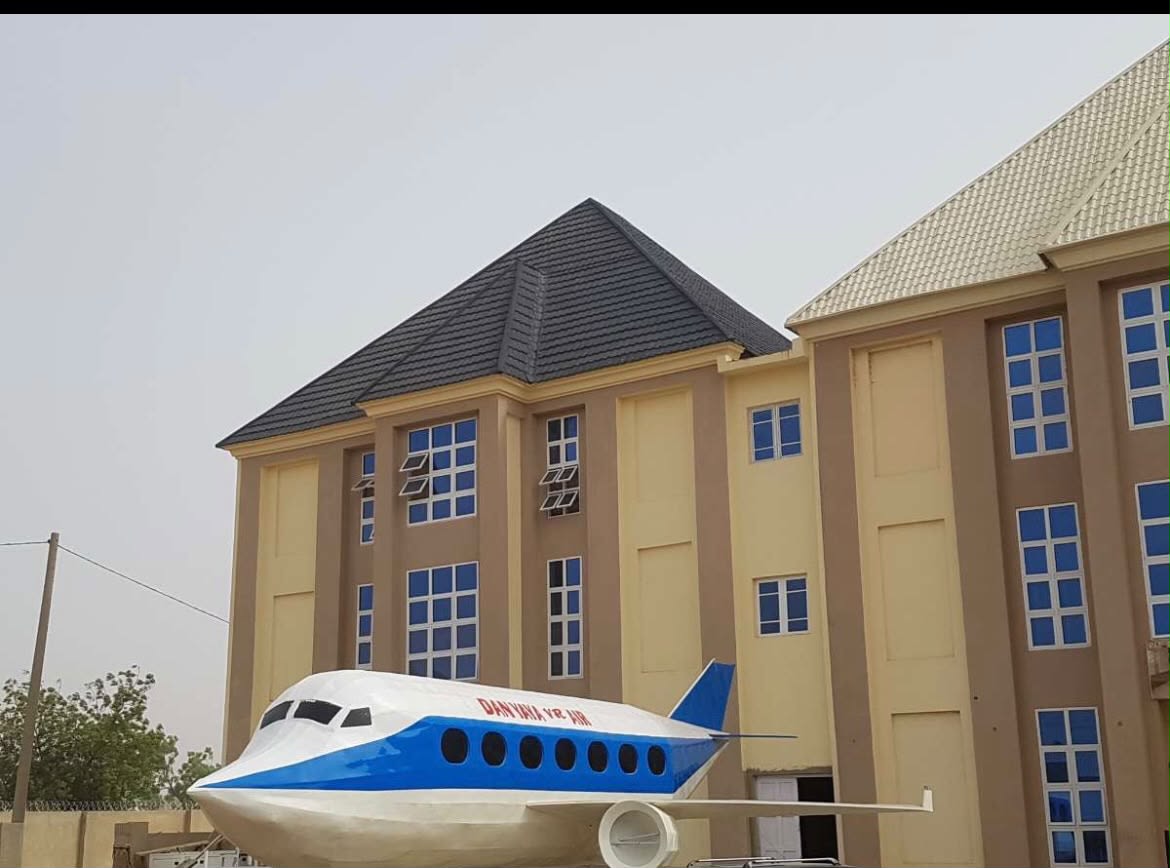
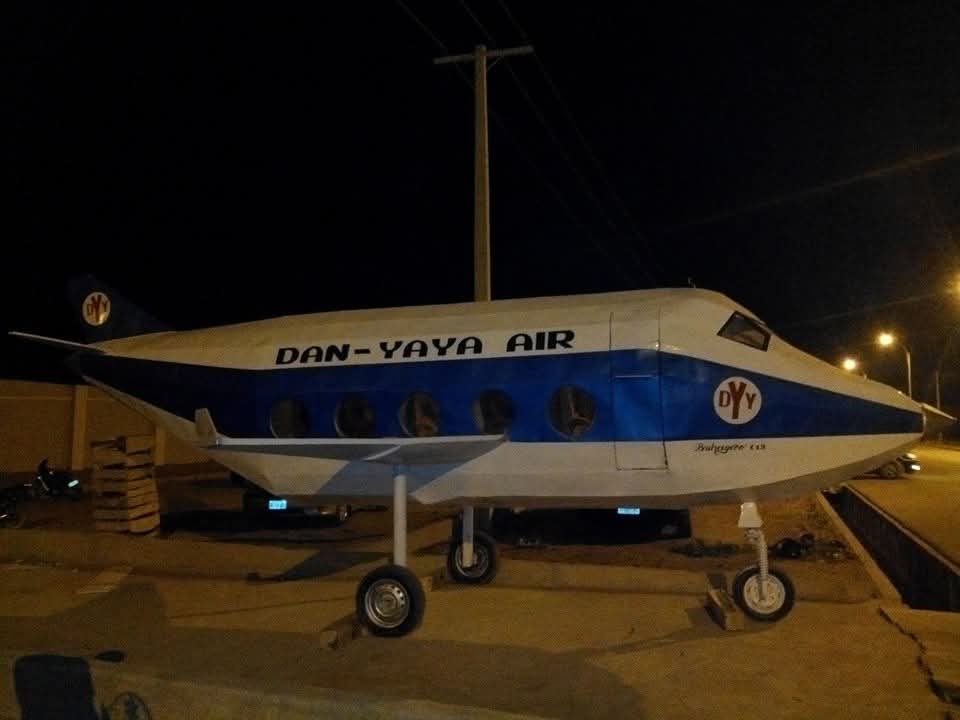
The Danyaya Virtual Aviation Experience is a completed immersive tourism and entertainment project that combines a physically constructed aircraft, a simulated airport environment, and virtual reality technology. Passengers physically purchase tickets, board the aircraft, and wear virtual reality headsets to experience take off, flight, landing, and guided tours of destinations such as Saudi Arabia, China, and Dubai.
Objectives
The objective of the project was to create a realistic and accessible air travel experience by combining a physical aircraft environment with virtual reality. It was designed to allow passengers to experience ticketing, boarding, take off, flight, landing, and virtual tours of international destinations without leaving the ground.
Problem Being Addressed
Many people, particularly children, students, and low income families, may never have the opportunity to board an aeroplane or visit international destinations because of the high cost of air travel and tourism. This limits their exposure to aviation, foreign cultures, famous landmarks, and the practical experience of travelling through an airport. The Danyaya Virtual Aviation Experience addresses this challenge by providing an affordable and accessible simulation of the complete travel process. Through the combination of a physical aircraft, a simulated airport environment, and virtual reality technology, passengers can experience ticketing, boarding, take off, flight, landing, and tours of international destinations without the cost and logistical difficulties of actual travel. The project also responds to the shortage of immersive educational and recreational facilities that combine aviation awareness, technology, tourism, and experiential learning in one environment.
Inspiration
The inspiration for the Danyaya Virtual Aviation Experience came from a desire to make the experience of air travel and international tourism accessible to people who may never have the opportunity to fly or visit other countries. Drawing from his exposure to technology, travel, manufacturing, and virtual reality, Danyaya envisioned a project that would allow people to experience the excitement of an airport, an aircraft, and a foreign destination without leaving the ground. He was also inspired by the educational potential of simulation. By combining a physically constructed aeroplane with virtual reality, he sought to create an experience that would be more realistic, engaging, and memorable than simply watching a video. The project reflects his belief that technology can bring distant places closer, expand people’s imagination, and create new opportunities for learning, recreation, and cultural exposure.
Materials and Technologies Used
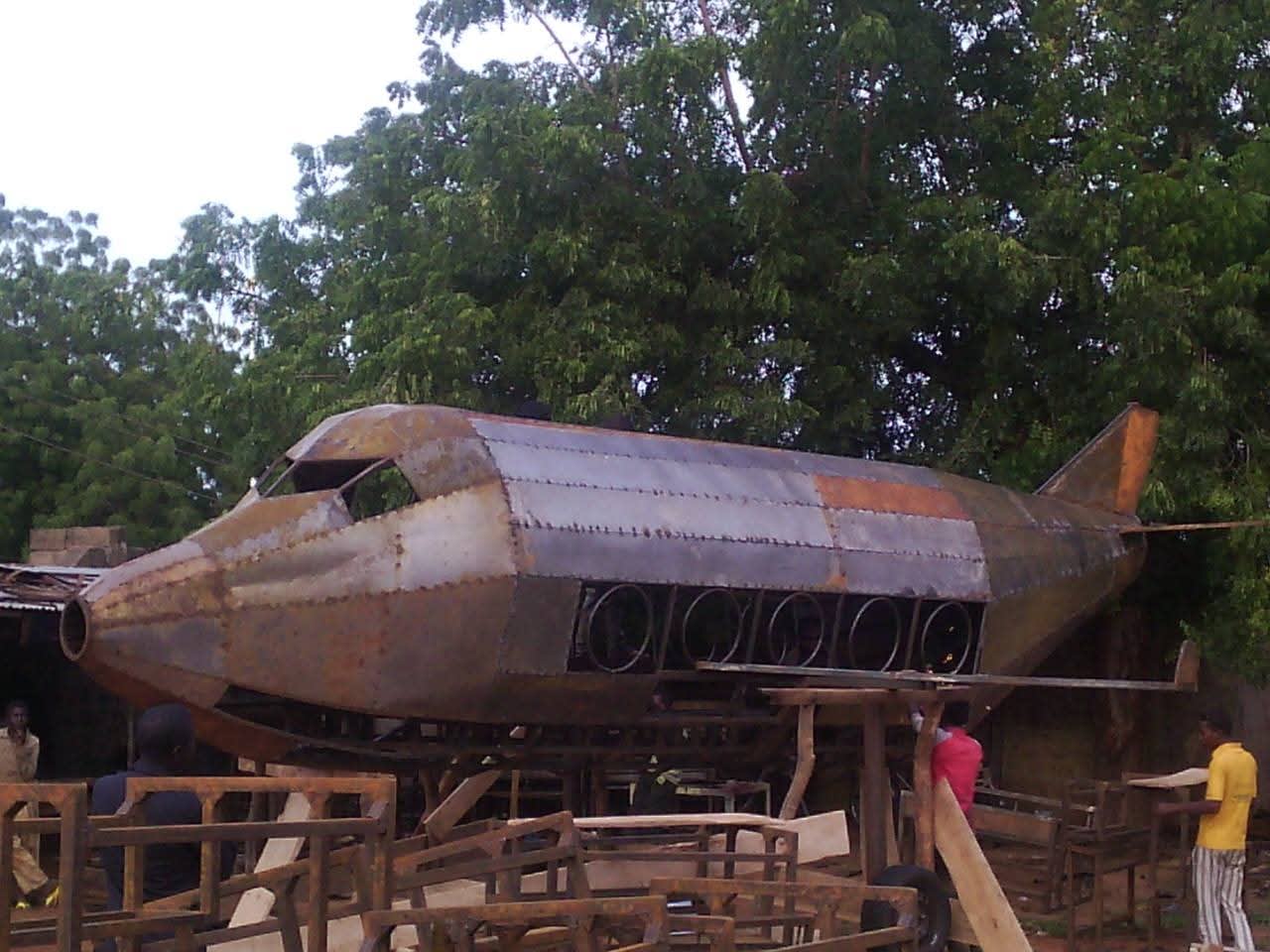
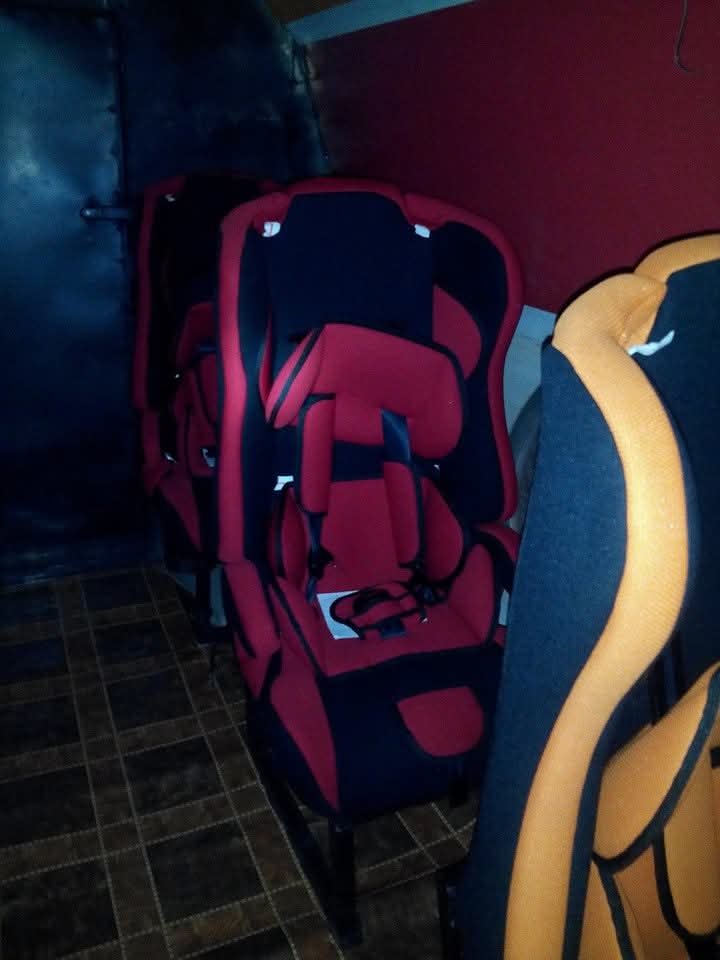
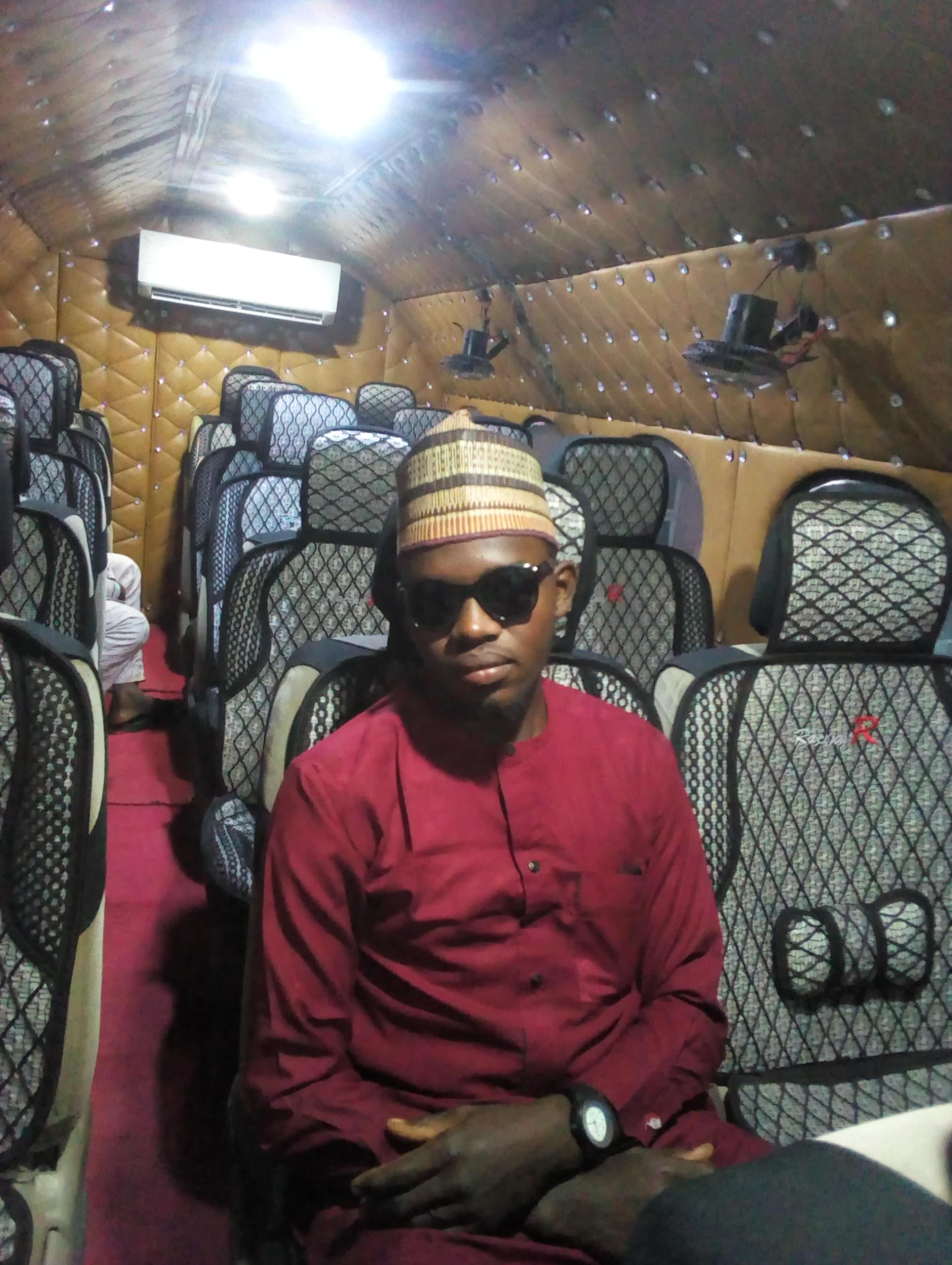
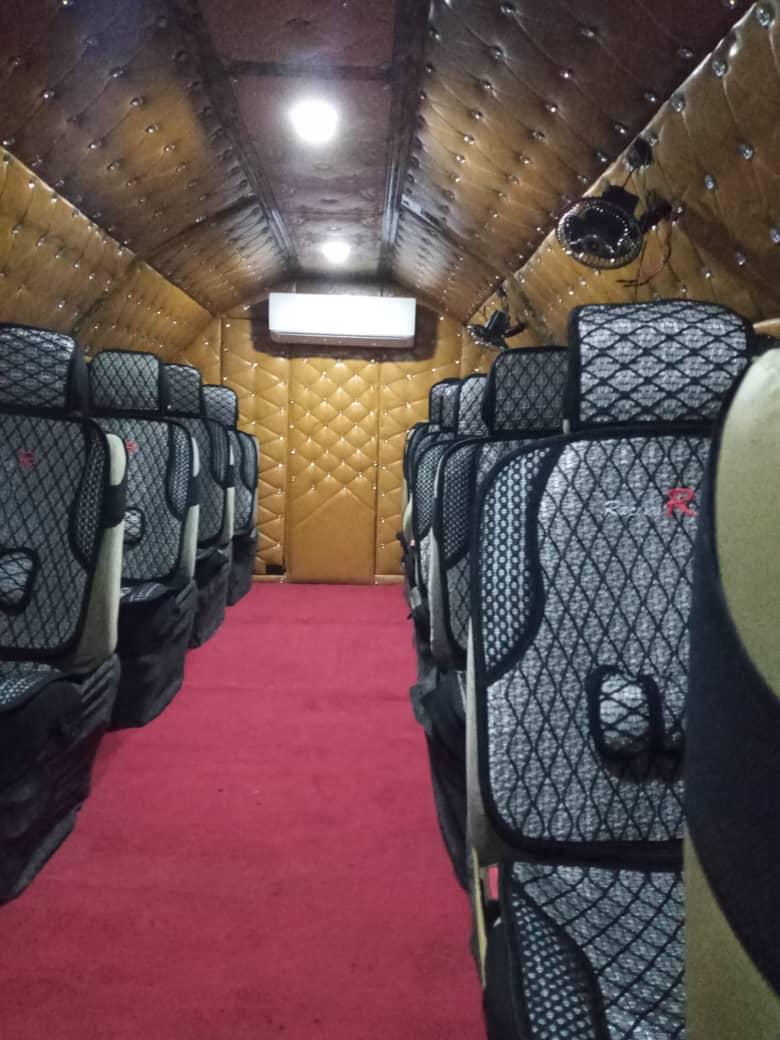
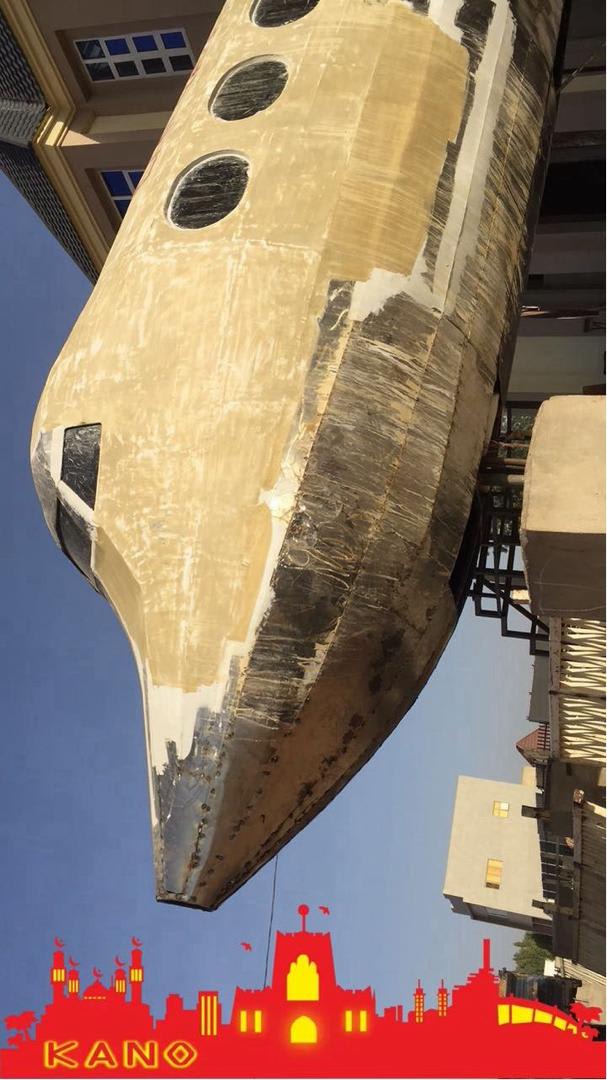
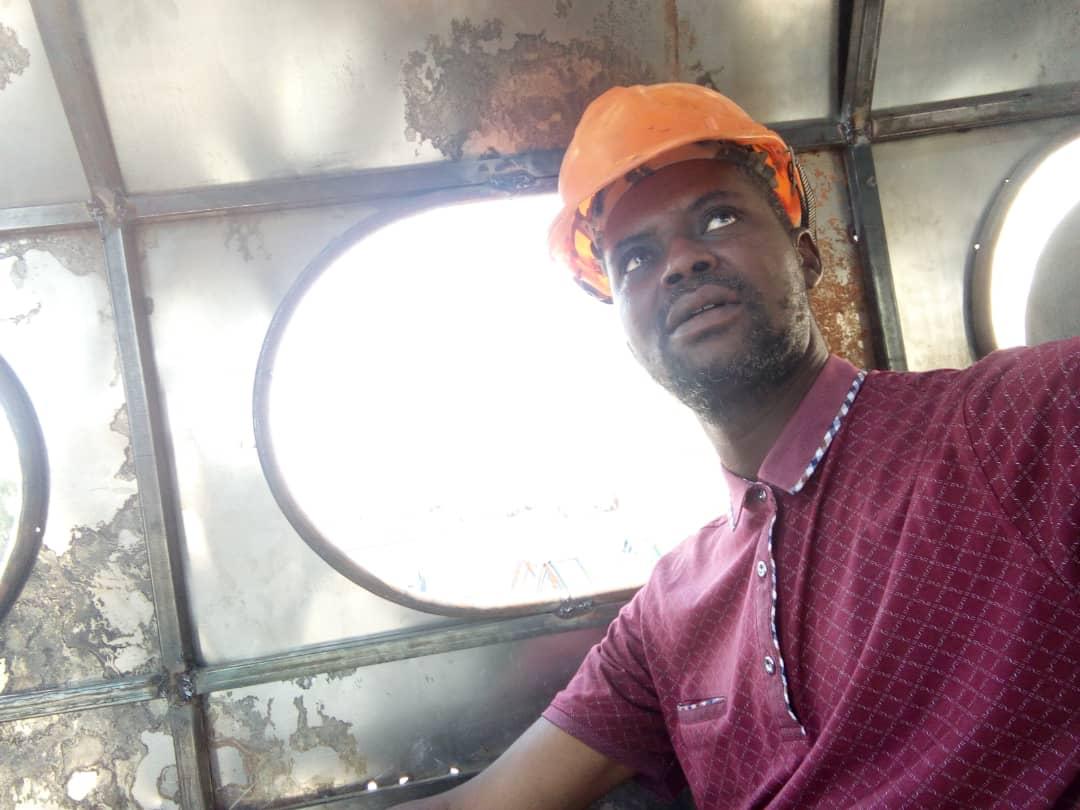
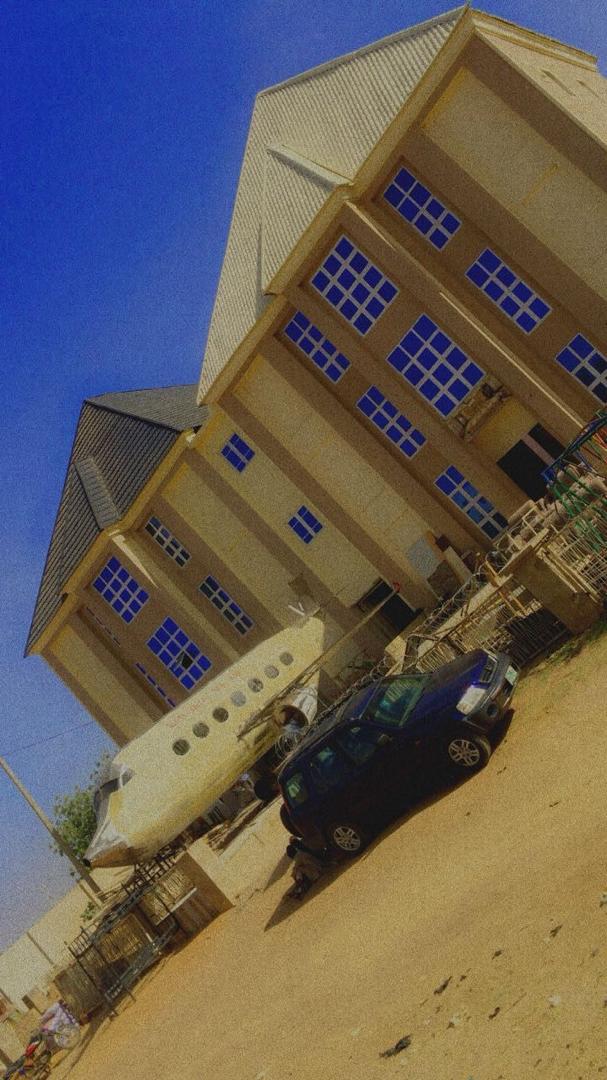
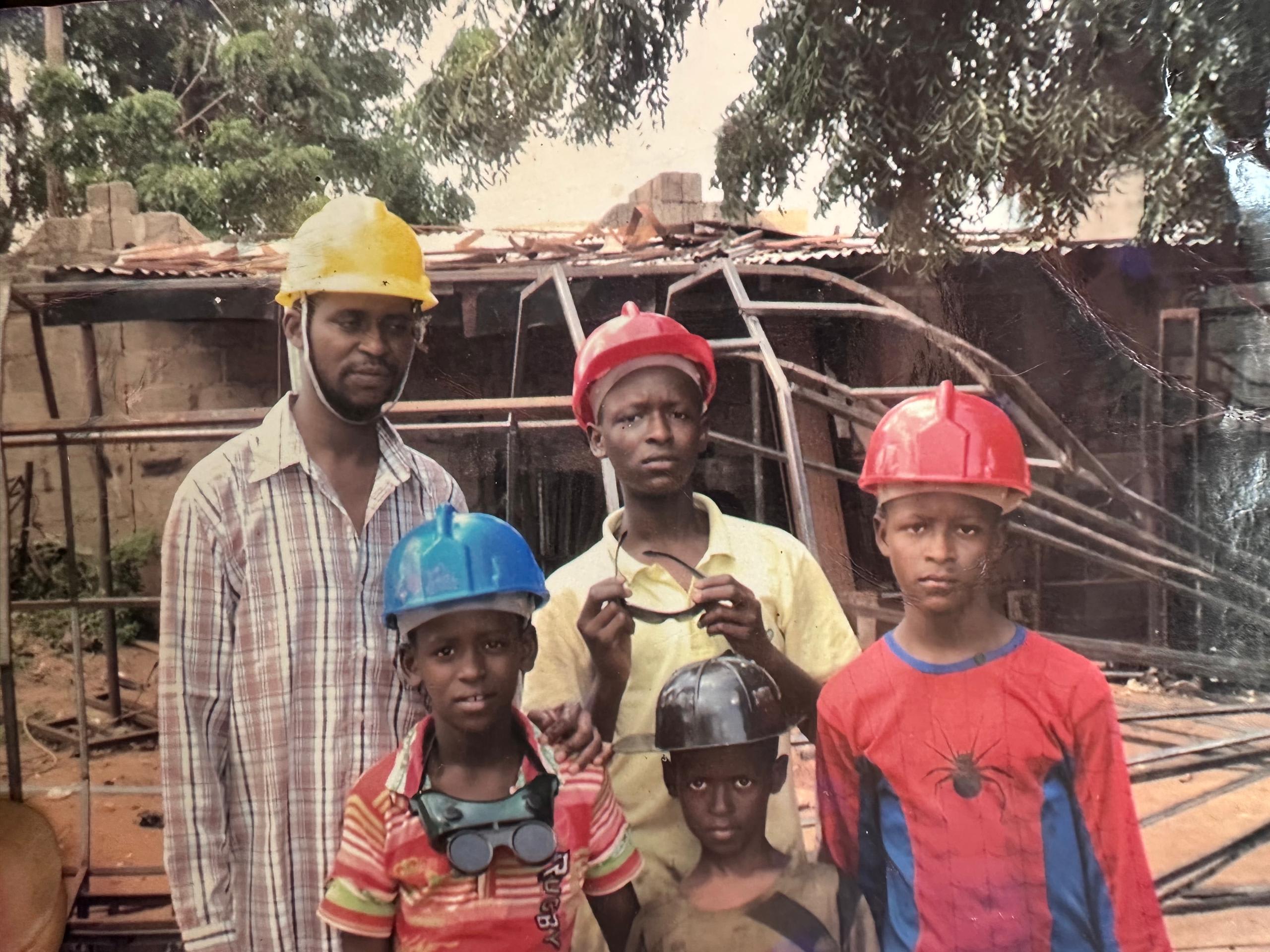
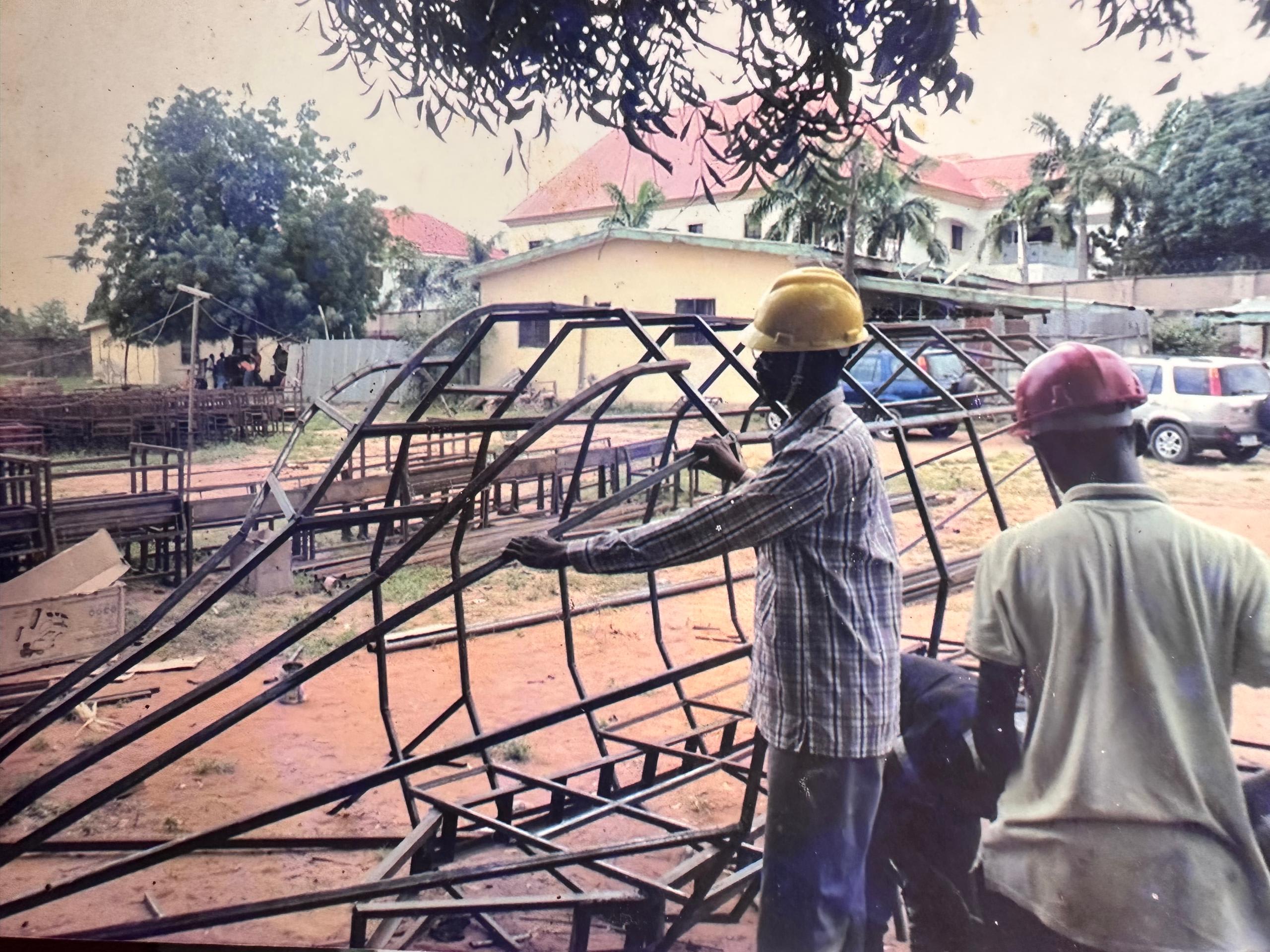
The Danyaya Virtual Aviation Experience was developed through a combination of physical construction materials, interior fittings, audiovisual equipment, and virtual reality technology. The aircraft structure was designed to reproduce the appearance and internal arrangement of a passenger aeroplane, including the cabin, seating areas, windows, lighting, boarding access, and other features that support a realistic travel experience. The physical construction involved suitable framing, body panels, flooring, seats, interior finishing materials, electrical fittings, lighting systems, and decorative components. These materials were carefully assembled to create an environment that gives passengers the impression of entering and sitting inside an actual aircraft. Virtual reality headsets form the central technological component of the project. Each passenger seat is equipped with access to a headset through which the simulated journey is experienced. The virtual content recreates important stages of air travel, including airport movement, take off, flight, landing, and tours of selected international destinations. The project also uses computers, media storage systems, audio equipment, screens, speakers, and other digital devices to manage and support the simulation. Recorded announcements, flight sounds, visual content, and destination footage help strengthen the sense of realism and immersion. By integrating construction, interior design, digital media, sound, and virtual reality, the project transforms a stationary aircraft structure into an interactive aviation and tourism experience.
Educational and Social Value
The Danyaya Virtual Aviation Experience has significant educational and social value because it transforms learning into a practical and memorable experience. It introduces passengers, particularly children and students, to basic aspects of aviation, airport procedures, aircraft environments, international travel, geography, tourism, and cultural diversity. Through the simulated journey, participants can learn how passengers purchase tickets, board an aircraft, prepare for take off, experience flight, and arrive at a destination. Virtual tours of countries and cities such as Saudi Arabia, China, and Dubai also provide opportunities to explore important landmarks, cultures, environments, and ways of life. Socially, the project makes the experience of air travel and international tourism more accessible to people who may not have the opportunity to travel because of financial, physical, or logistical limitations. It provides families, schools, and communities with an affordable form of recreation that is both entertaining and educational. The project can also help first time travellers become familiar with the aircraft environment and reduce some of the fear or uncertainty associated with flying. By combining education, technology, tourism, and entertainment, it promotes curiosity, confidence, cultural awareness, and interest in aviation and emerging technologies.
Location: Gombe and Kano Nigeria
Gallery